
Every 2 years we, as ADR Safety Advisor, go through the changes in the code. Also from 1 January 2025 changes to the ADR will be implemented. And of course again with a transition period of half a year. The number of changes is also limited to these biennial changes. There are changes in the UN numbers and a number of specific items are changing. We will go through a number with you.
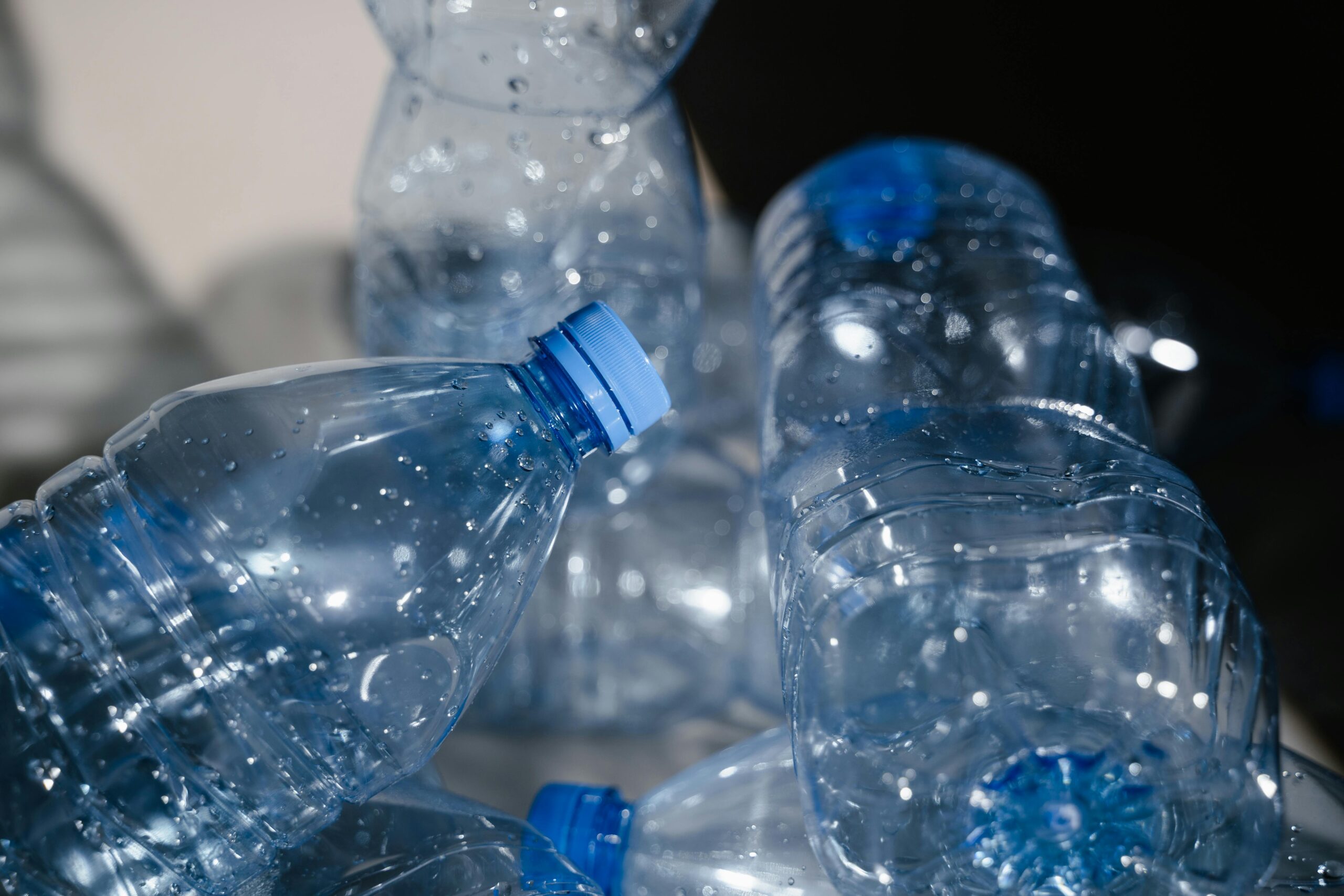
Regarding the definitions, something changes and a new definition is added: ‘Recycled plastic’: material recovered from used industrial packaging or from other plastic that has been pre-sorted and prepared for processing into new packaging, including IBCs. The specific properties of the recycled material used for the production of new packaging, including IBCs, must be guaranteed and regularly documented as part of a quality assurance program recognized by the competent authority. The quality assurance program must include a record of suitable pre-sorting and inspection, so that each batch of recycled material, which is of homogeneous composition, matches the material specifications (melt index, density and tensile properties) of the design type, manufactured from such recycled material. This necessarily includes information about the plastic material from which the recycled plastics originate, as well as information about the former use, including the former content, of the plastic material, if this former use could reduce the performance of new packaging, including IBCs, fabricated from that material. Moreover, in the quality assurance program of the packaging or IBC manufacturer, in accordance with 6.1.1.4 or 6.5.4.1, the execution of the proper mechanical testing of the prototype, in accordance with 6.1.5 or 6.5.6, must be included, to be performed on packaging or IBCs manufactured from each batch of recycled plastic material. In these tests the performance in the stack test may be examined by means of a suitable dynamic compression test instead of the stack test;
Also in the training sphere something changes. Drivers who transport LQ also need instruction according to chapter 1.3. ADR 2025 explicitly states that all drivers who transport packaged dangerous substances in limited quantities are also subject to the instruction obligation according to chapter 1.3. In chapter 3.4 this is now clarified by an explicit reference to paragraph 8.2.3 that before the transport of dangerous goods packaged in limited quantities, drivers and vehicle crews must also receive training in accordance with chapter 1.3.
Table A is also expanded in this edition: this time with 11 new UN numbers, most of them for lithium batteries.
Incidentally, a series of new UN numbers for lithium batteries are added:
SODIUM-ION BATTERIES with organic electrolyte UN 3551
SODIUM ION BATTERIES IN EQUIPMENT, with organic electrolyte UN 3552
VEHICLE, POWERED BY LITHIUM-ION BATTERY UN 3556
VEHICLE, POWERED BY METALLIC LITHIUM BATTERIES UN 3557
VEHICLE, POWERED BY SODIUM ION BATTERY UN 3558
Additionally, there are 132 changes in the columns of the UN table.
In many places a lot is happening in the waste sector. Among others the exemption scheme for private individuals: The transport of dangerous goods carried out by private individuals intended for their personal or household use or for recreation or sports activities within the limits as indicated in paragraph a) i) as waste, including the packaging if the dangerous goods are no longer packaged in their original retail packaging, provided measures have been taken to prevent any leakage under normal transport conditions.
Are you a driver / independent chauffeur and looking for a ADR Safety Advisor? Check the product gallery. Not a driver but a small company (maximum 4 cars) see here.